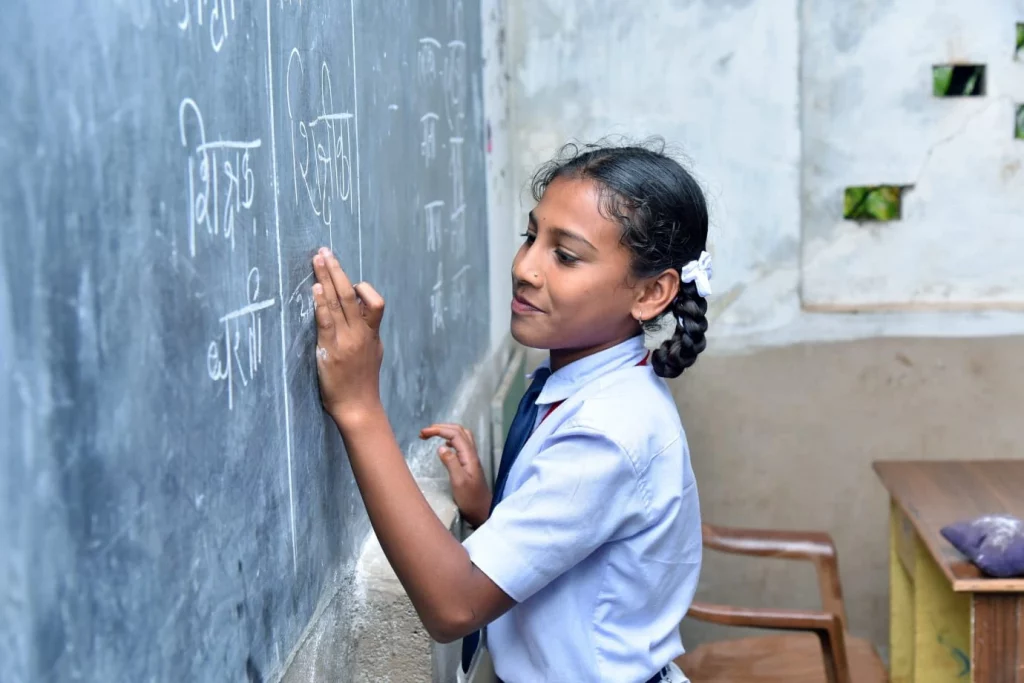
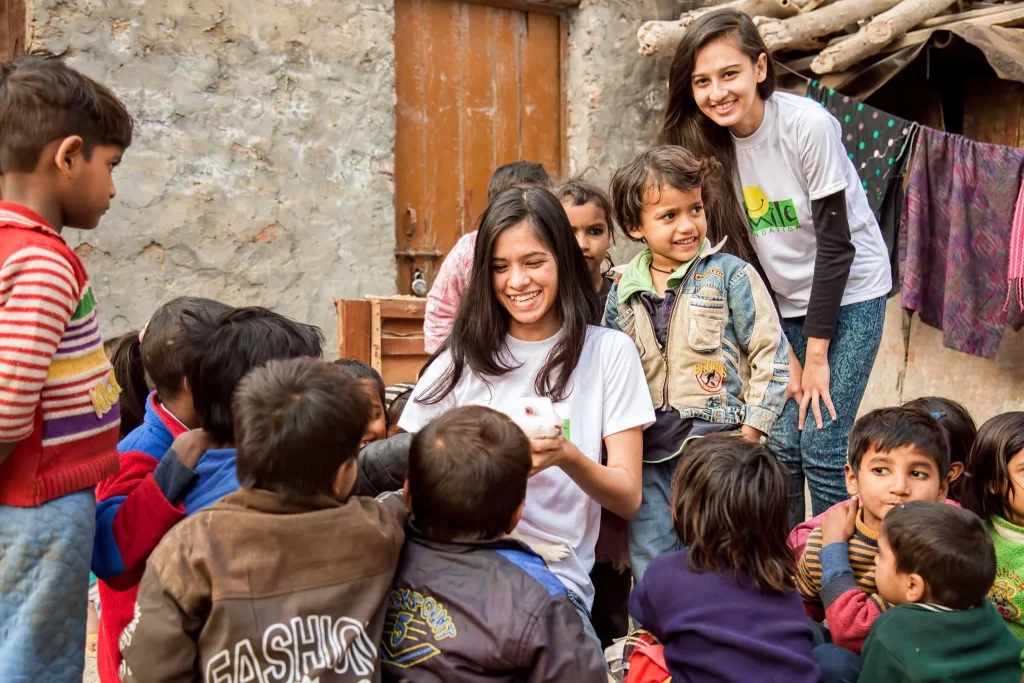
These days, when I explain to my married friends who have kids (I am unmarried with no kids– a blessing or a curse?) that I am trying to write children’s fiction, I often hear sighed confessions like, “Kids these days are glued to mobile screens. We used to read so much in our childhood days.”
When I was in school, I devoured everything– timeless classics like Ruskin Bond’s “The Room on the Roof” and engaging series like “The Famous Five” by Enid Blyton. By middle school, I was engrossed in the works of Chetan Bhagat (a bad decision) and Amish Tripathi. Not every child is—or was—this kind of reader. And we shouldn’t every child to pick up books– some pick up footballs, dancing shoes, or musical instruments instead. But what parents today are noticing is that fewer kids are embracing reading with the same enthusiasm and curiosity.
Certainly, the omnipresence and allure of screens play a significant role in this shift. Most Indian children have smartphones by their early teens, and digital distractions are a constant challenge. The disruptions caused by the COVID-19 pandemic have also contributed to learning loss and disrupted reading routines. However, these factors do not tell the whole story. Surveys conducted worldwide before the pandemic showed that the percentage of children who said they read daily for fun had been steadily declining.
I recently spoke with educators and librarians about this trend, and they provided several explanations, but one of the most compelling—and concerning—is rooted in how our education system teaches children to relate to books.
What I remember most about reading in childhood was the joy of discovering new characters and stories. I adored Sudha Murthy’s “The Magic Drum” and R.K. Narayan’s “Malgudi Days“. 1990s Indian schools emphasized reading as many books as possible (read expensive private schools) and forming emotional connections with them as a way to develop essential reading skills.
Now, the emphasis on analyzing texts often overshadows the sheer pleasure of reading. Critical reading skills are undoubtedly important, especially in a digital age when children are bombarded with information, not all of it reliable. But this excessive focus on analysis is coming at the cost of nurturing a genuine love for books and storytelling. Stories that tell us who we were, who we are and most probably, who we might become.
This shift away from the joy of stories begins early in our education system. For example, take this requirement from the Indian education system, which emphasizes understanding texts at a deep level: “Analyze how a particular sentence, chapter, scene, or stanza fits into the overall structure of a text and contributes to the development of the theme, setting, or plot.”
For children, particularly those in primary school, there is a more enjoyable way to introduce this concept: by immersing them in captivating stories that naturally engage their emotions and imagination. Reading Amar Chitra Katha comics or the timeless tales of Akbar and Birbal can be a delightful way to develop these skills. However, our current approach often involves dissecting a text and asking children to write analytical essays.
For anyone who knows children, this approach is far from engaging. The best way to introduce complex concepts to kids is by first capturing their imagination with a compelling narrative. “Analyzing sentence structures” and “evaluating themes” sound rather tedious to an 8-year-old. They are far more likely to enjoy reading when they are lost in an adventure with characters they can relate to.
However, accountability laws and policies, like the Right to Education Act, have placed enormous pressure on instructors to teach standardized tests. This has led to a shift away from best practices in teaching. The focus on preparing students for exams often means sacrificing the enjoyment of reading and replacing it with a quest for high test scores.
In conclusion, the transformation in the way children approach reading is complex and influenced by various factors. However, it is crucial to rediscover the magic of storytelling and instill a genuine love for reading in our children. One can achieve this through a balanced approach that combines critical reading skills with a deep appreciation for the joy and wonder of books.
Because what would we really be without stories? How else will our children become star-gazers or astronauts? After all, isn’t imagination the biggest gift of all!